MANAGING HYPERMOBILITY
Supports, Bracing & Helpful Tools
Exploring practical supports, adaptive equipment and everyday tools that can help you move, participate and manage daily life with greater comfort.
REFRAMING SUPPORTS
Support is a strategy, not a setback
Living with symptomatic hypermobility can mean that everyday activities require more effort than they might for someone else. Tasks like standing to prepare a meal, walking around the shops, writing, working or getting dressed may place additional demands on joints, muscles and energy.
While building strength, stability and tolerance can be valuable parts of management, they aren't the only approaches available.
Braces, mobility aids, adaptive equipment and other supportive tools can help reduce physical demands, improve comfort and make activities more accessible.
Some people use these supports every day. Others use them only for particular activities, during symptom flares or when their capacity is lower.
Using a support doesn't mean you've given up on improving your function. It means you're finding ways to participate in life with the body and capacity you have today.
SUPPORTING YOUR JOINTS
Bracing, splinting & joint support
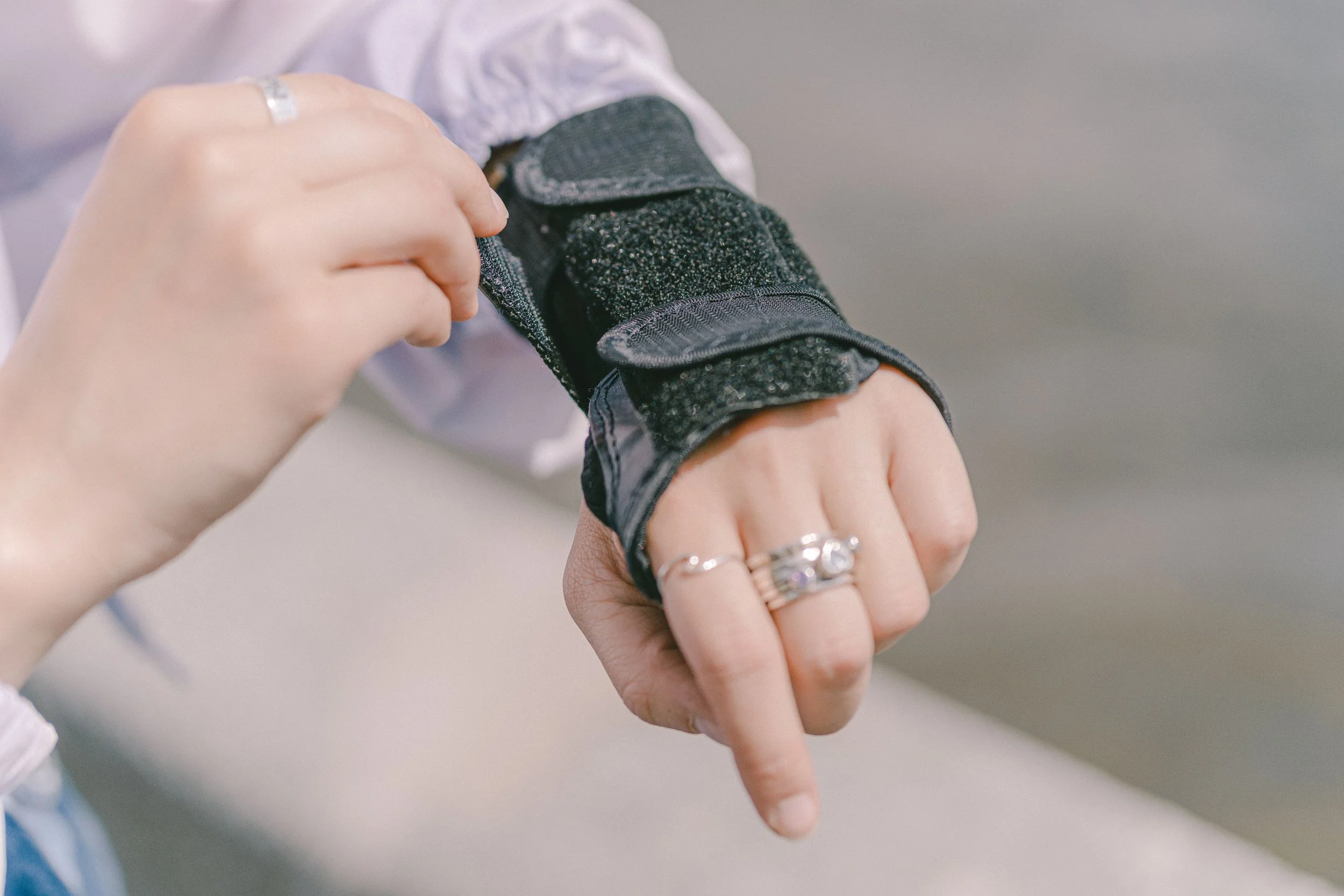
Braces, splints, compression garments and taping can provide additional support for joints that feel unstable, uncomfortable or difficult to control.
Different supports work in different ways. Some help limit excessive movement, others provide compression or sensory feedback, and some may make particular activities more comfortable or manageable.
The right option depends on your symptoms, the joint involved and what you're hoping the support will help you do.
-
![Photo by <a href="https://unsplash.com/@cdc?utm_source=unsplash&utm_medium=referral&utm_content=creditCopyText">CDC</a> on <a href="https://unsplash.com/photos/a-woman-in-a-wheel-chair-opening-a-cabinet-ehOJSy36Rfg?utm_source=unsplash&utm_medium=refe]()
Bracing
Braces provide external support to joints that feel unstable or painful. They range from flexible supports to more structured designs that limit particular movements. Braces provide external support to joints or body regions that feel unstable or painful.
WHEN MIGHT IT HELP?
Supporting unstable joints during everyday activities.
Limiting painful or excessive movements.
Making physically demanding tasks more manageable.
WHAT TO CONSIDER
Choose a brace suited to the joint and activity.
Look for a comfortable fit that doesn't unnecessarily restrict movement.
More rigid support isn't always better. The right level of support depends on your needs.
-
![https://affecttheverb.com/disabledandhere/]()
Splints
Splinting
Splints help support or limit movement at specific joints. They can range from small, flexible supports to more rigid designs, including finger ring splints that help prevent excessive hyperextension.
WHEN MIGHT IT HELP?
Supporting hypermobile fingers or thumbs during writing, typing or gripping.
Limiting painful or excessive joint movements.
Improving comfort and control during fine motor tasks.
WHAT TO CONSIDER
Splints should support the movement you need without unnecessarily restricting function.
Ring splints require careful sizing and may need adjustment as swelling or symptoms change.
Different designs suit different joints and activities.
HELPFUL RESOURCES
Links to finger splint suppliers, hand therapy resources or fitting guides.
-
![Photo by <a href="https://unsplash.com/@galibagi?utm_source=unsplash&utm_medium=referral&utm_content=creditCopyText">GALINA BOGDANOVA</a> on <a href="https://unsplash.com/photos/woman-performing-a-barbell-lunge-exercise-in-a-gym-DVstISE8p8w?utm_sourc]()
Compression
Compression sleeves, socks, shorts, leggings and other garments apply gentle pressure to different areas of the body.
You can think of compression as an extra layer of external support, almost like giving your connective tissue a helping hand. This gentle pressure can improve comfort and provide sensory feedback, helping your body recognise where your joints are in space.
Compression garments may also help manage swelling and reduce blood pooling, particularly for people experiencing orthostatic intolerance or POTS.
WHEN MIGHT IT HELP?
Improving comfort during everyday activities.
Managing mild swelling or feelings of heaviness.
Providing sensory feedback that may improve body awareness.
WHAT TO CONSIDER
Compression should feel supportive, not painful or excessively tight.
Different levels of compression suit different needs.
Some people find compression uncomfortable, particularly with heat or sensory sensitivities.
HELPFUL RESOURCES
Supacore https://supacore.com/
-
![Photo by <a href="https://unsplash.com/@jballantyne?utm_source=unsplash&utm_medium=referral&utm_content=creditCopyText">Jesse Ballantyne</a> on <a href="https://unsplash.com/photos/woman-doing-yoga-W5zTPoCVai0?utm_source=unsplash&utm_medium=referral&]()
Taping
Kinesiology tape and rigid sports tape can provide temporary support or sensory feedback. Rigid tape can help restrict certain movements, while elastic kinesiology tape allows greater freedom of movement.
WHEN MIGHT IT HELP?
Providing temporary support during particular activities.
Limiting uncomfortable movements with appropriately applied rigid tape.
Increasing awareness of joint position and movement.
WHAT TO CONSIDER
The type of tape and application technique influence how it works.
Adhesives can cause skin irritation, particularly for people with sensitive or fragile skin.
Taping generally needs regular replacement and may be less practical for ongoing support.
HELPFUL RESOURCES
Links to taping guides, skin-friendly options or suppliers.



MAKING YOUR LIFE MORE ACCESSIBLE
Mobility aids can help you do more, not less
Walking, standing and getting around can place significant demands on the body, particularly when you're managing joint instability, pain, fatigue or symptoms of dysautonomia.
Mobility aids can help reduce some of these demands, making it easier to access your community, conserve energy and participate in activities that might otherwise be difficult.
These might include walking sticks, crutches, walking frames, rollators, wheelchairs or powered mobility devices.
Using a mobility aid doesn't mean you can't walk. Many people use them selectively, depending on their symptoms, the activity, the environment or how they're feeling that day.
The goal isn't necessarily to use an aid as little as possible. It's to find the right level of support to help you participate in the things that matter to you.
MAKING EVERYDAY LIFE EASIER
Small adaptations, meaningful differences
Not every helpful support needs to be a brace or mobility aid. Sometimes, small changes to how we approach everyday tasks can make a significant difference.
For people with symptomatic hypermobility, activities involving repetitive gripping, bending, reaching or prolonged standing can place additional demands on joints, muscles and energy.
Adaptive equipment can help reduce these demands, making everyday activities more comfortable, manageable and accessible.

Reducing gripping & fine motor demands
Tasks involving repetitive gripping, pinching or fine motor control can be particularly demanding for hypermobile hands and fingers.
Tools such as built-up handles, ergonomic pens, jar openers and alternative computer mice can reduce the effort needed to grip, hold or manipulate objects.
Reducing bending, reaching & lifting
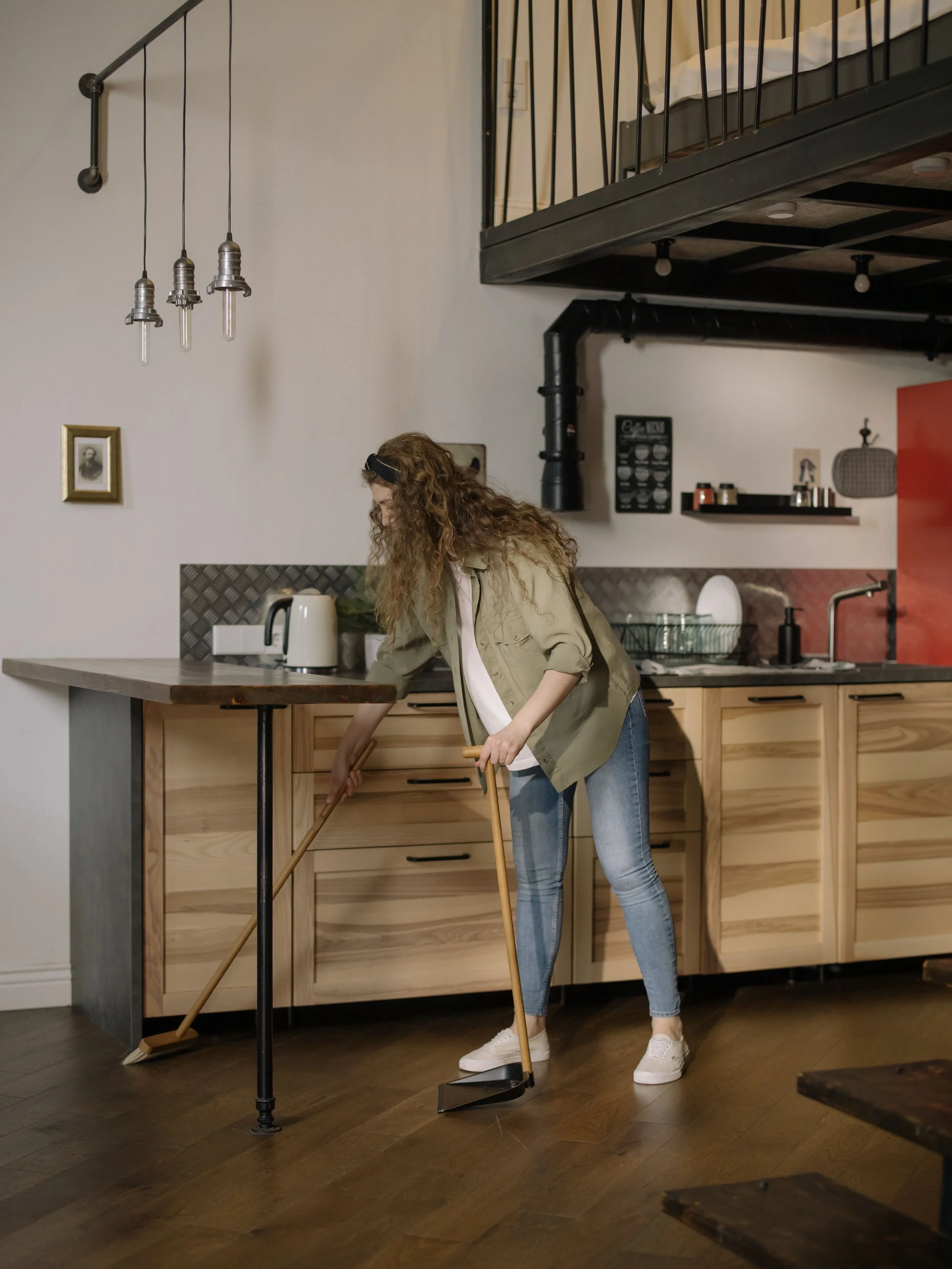
Repeated bending, reaching overhead or lifting objects can aggravate symptoms, particularly when joints feel unstable or fatigued.
Reaching aids, long-handled tools, lightweight equipment and changes to how frequently used items are stored can help reduce unnecessary physical demands.

Reducing standing & conserving energy
Standing for extended periods can be challenging when managing pain, fatigue or orthostatic intolerance.
Perching stools, shower chairs, seated workstations and other supportive seating options can make it easier to complete tasks without needing to remain on your feet.

Improving positioning & comfort
Maintaining certain positions for long periods can place additional demands on muscles and joints, particularly when the body is working harder to maintain stability.
Supportive cushions, footrests, adjustable furniture and ergonomic workstations can help make sitting, resting and working more comfortable.
YOUR SUPPORTS TOOLBOX
Choosing supports that work for you
There's no single mobility aid, support or brace that works for everyone. The right choice depends on your symptoms, the activities you want to do and the kind of support you need.
Personally, I use different supports depending on what my body needs that day. When my POTS symptoms are flaring and I'm feeling unsteady on my feet, I might reach for my walking stick. When my pelvis is feeling unstable, I might reach for my compression shorts instead.
It's not about using every support all the time, but having different tools available when you need them.
A few things to consider
Purpose: What are you hoping the support will help with? Pain, stability, fatigue, balance or making a particular activity easier?
Comfort and fit: Does it feel supportive without creating pressure, irritation or discomfort elsewhere?
Practicality: Is it easy to use, affordable, accessible and suitable for your daily activities?
Individual needs: Some supports benefit from professional fitting or guidance, particularly mobility aids, specialised braces and medical-grade compression.
You may need different supports at different times, and what works for someone else might not work for you. It's okay to experiment, reassess and adapt your toolkit as your needs change.