Chapter 1: UNDERSTAND
Before we explore symptomatic hypermobility, it's useful to briefly revisit the tissue at the centre of these conditions. This is intended as a refresher rather than a detailed review of connective tissue anatomy and physiology.

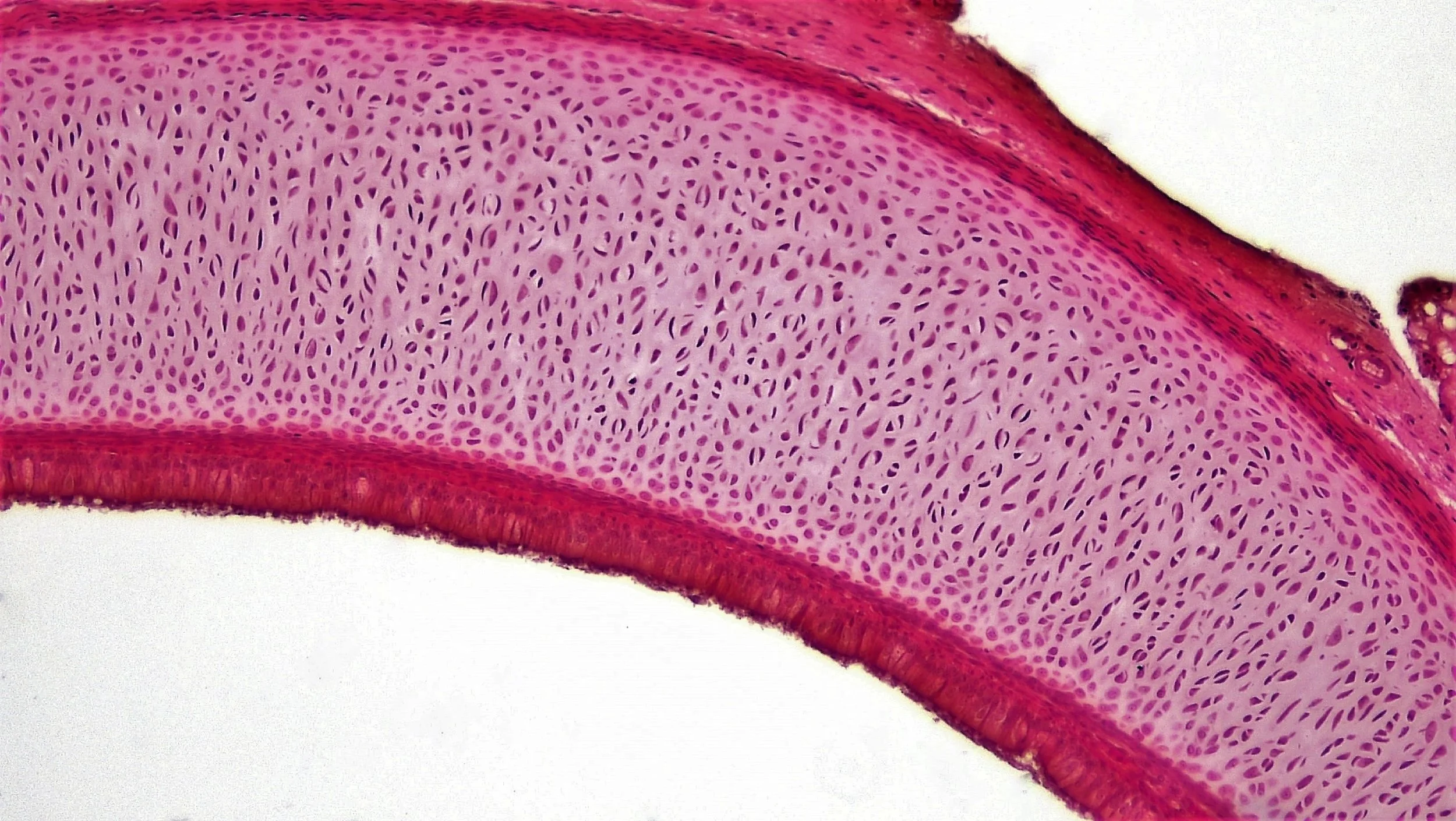
Connective Tissue
The body’s most abundant & widely distributed tissue.
Rather than being one isolated structure, connective tissue forms the structural framework that supports every organ system.
It forms the framework that:
Connects
Supports
Protects
Separates
Stabilises
Transmits force
Allows movement
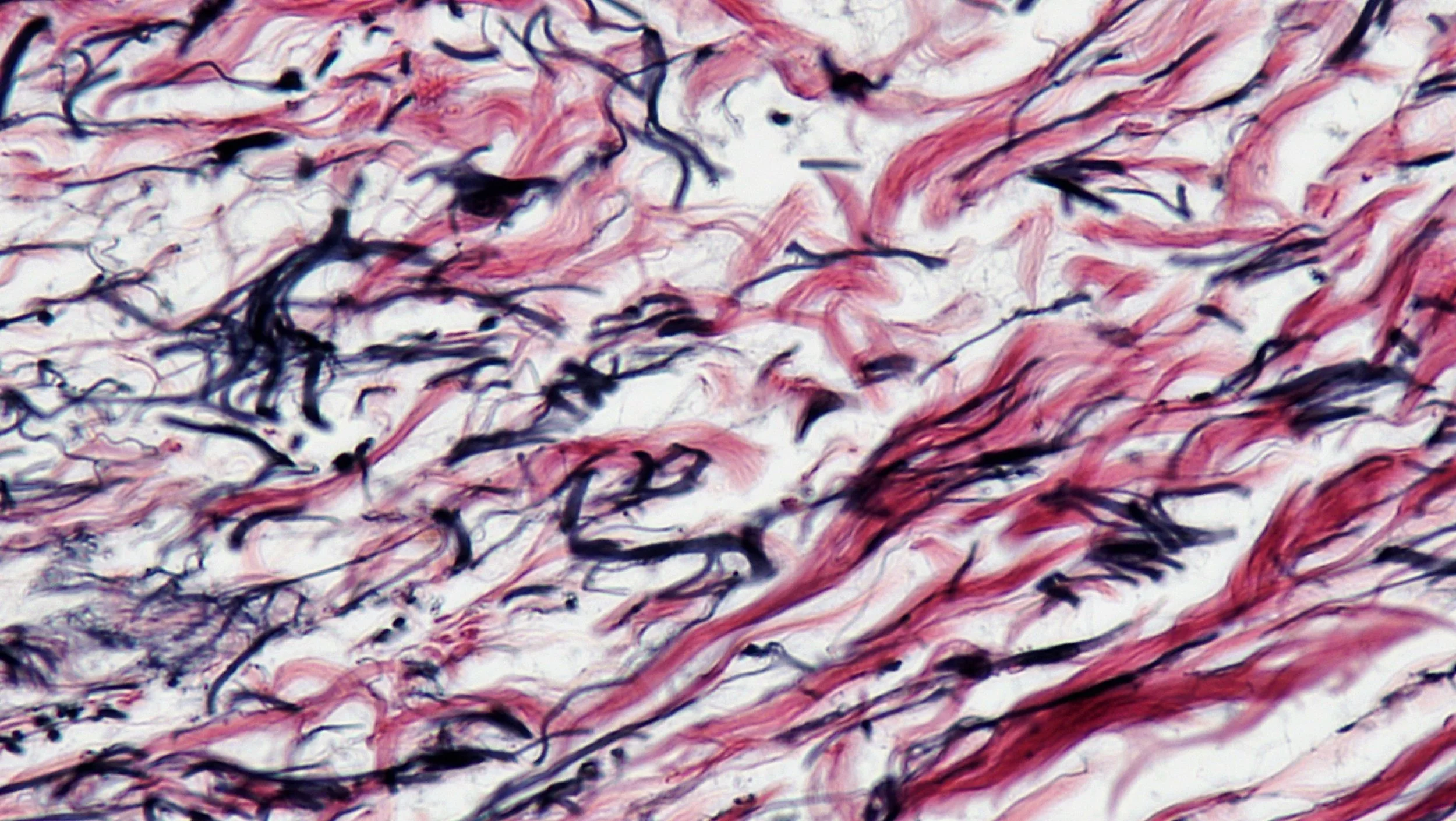
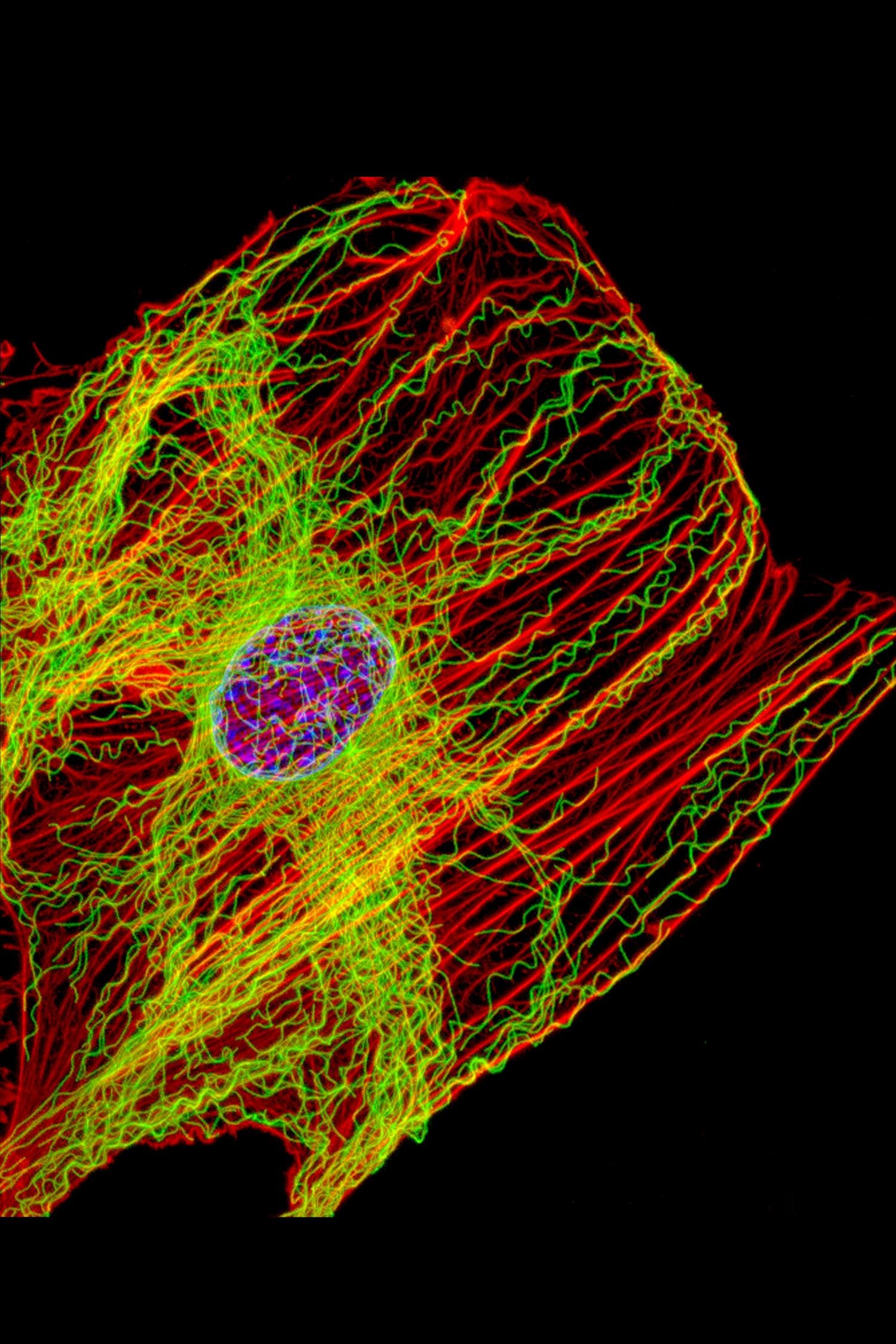
Connective tissue is made of four interacting components:
Collagen
Provides tensile strength.
Elastin
Allows tissues to stretch and recoil.
Ground substance
Hydrates tissues, distributes forces and allows diffusion.
Cells
Build, maintain and remodel connective tissue.
It is the interaction between these components, not collagen alone, that determines how connective tissue behaves.

So why do we often only think about conenctive tissue differences in relation to how joints are affected?
Connective tissue doesn't function in isolation. Its different components work together to influence how tissues behave, and its widespread distribution helps us understand why connective tissue disorders can have effects beyond the musculoskeletal system.
-
Our downloads have everything you need to supplement this course.