Understanding Your Body
Sometimes the biggest shift isn't finding a new symptom- it's seeing how the symptoms you already have fit together.
If you've landed here, there's a good chance you've spent years trying to understand why your body doesn't seem to follow the usual rules.
Pain • Fatigue • Dizziness • Gut symptoms • Injuries • Headaches
These symptoms are often treated as separate problems.
But what if they’re part of the same story?
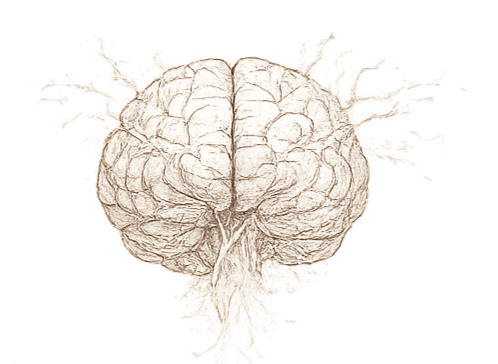
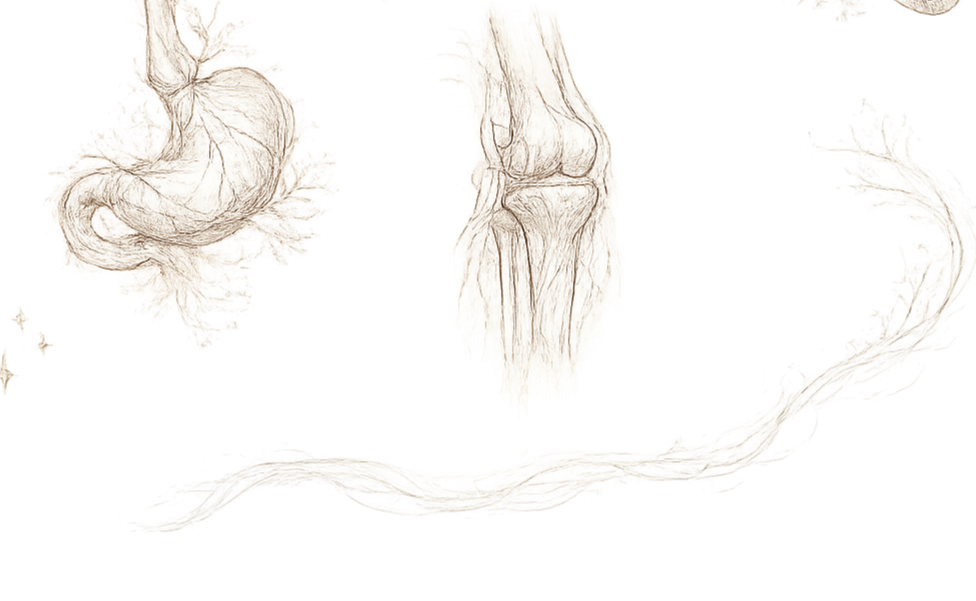
The moment things
started making sense
For years, I kept asking myself….
"Why do these symptoms keep happening?"
Every new symptom felt like another mystery to solve.
Another specialist. Another explanation. Another piece of the puzzle.
But eventually I realised I had been asking the wrong question.
"What if they're connected?"
That simple shift completely changed how I understood my body.
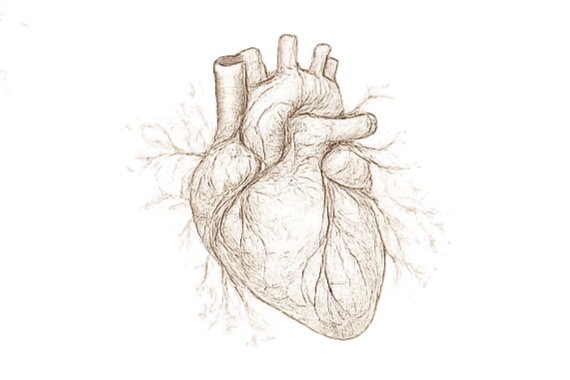
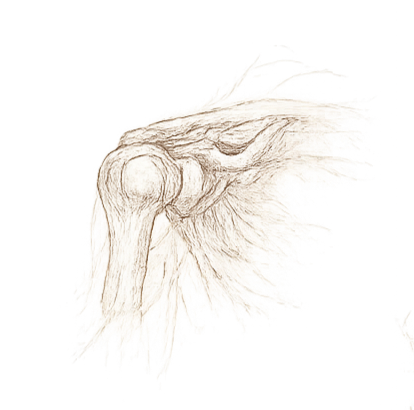
A DIFFERENT WAY OF THINKING
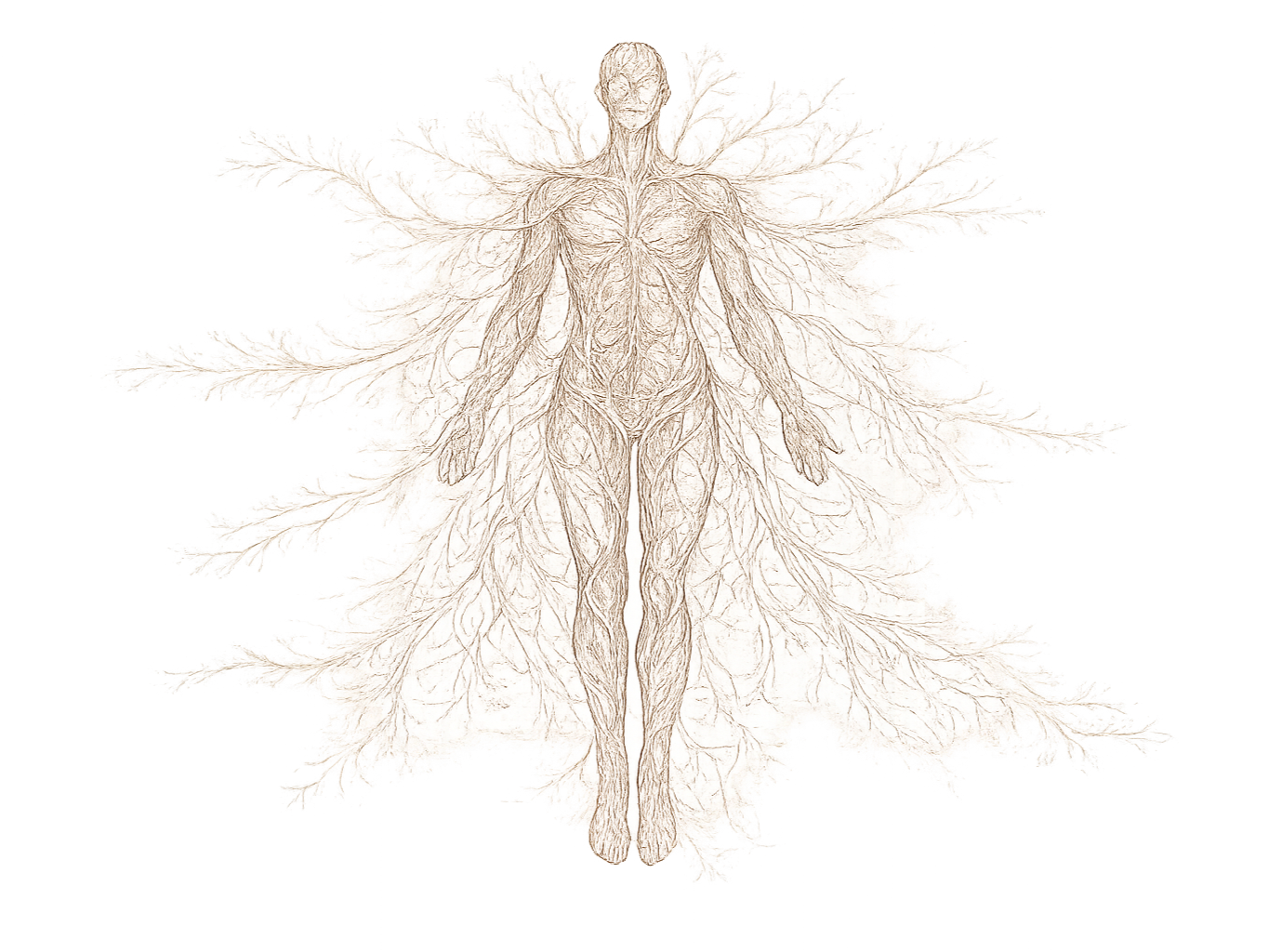
The Connective Tissue Lens
For years, my healthcare team and I focused on each symptom separately.
Each symptom was managed by a different clinician, often as though it was an entirely separate problem.
But eventually, I realised something.
I wasn't just missing another diagnosis.
I was missing the connection.
I was looking at symptoms instead of the body they belonged to.
The thread that connects it all
If you've never heard of connective tissue before, you're not alone.
Most of us are taught about muscles, bones, nerves and organs.
Very few of us are taught about the tissue that connects them all.
Connective tissue is one of the most abundant tissues in the body.
It surrounds • Supports • Connects • Protects • Separates • Allows movement • Provides structure
Because it's found almost everywhere, differences in connective tissue don't just affect joints- they can influence many body systems.
Once you understand connective tissue, the rest of the story begins to make sense.

So what does this have to do with hypermobility?
If connective tissue is the thread that connects the body, where does hypermobility fit?
When people hear the word hypermobility, they often think it simply means being "double-jointed" or very flexible.
That's part of it- but it doesn't tell the whole story.
Our joints are held together and guided by structures such as ligaments, tendons, joint capsules and fascia. All of these are made, in part, from connective tissue.
When connective tissue has different mechanical properties, joints may move further than is typical.
That's what we call hypermobility.
For many people, that's simply a normal variation of the human body.
For others, hypermobility is one part of a much bigger picture.
What matters is the context it appears in.